
Coral bleaching
Under heat stress, corals expel the algae that feed them and turn white. Bleached coral is not yet dead. With samples from Micronesia and our lab at the University of Barcelona, we are testing ways to help it recover.

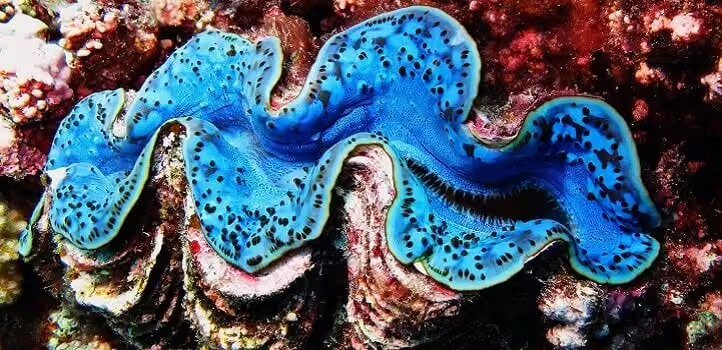
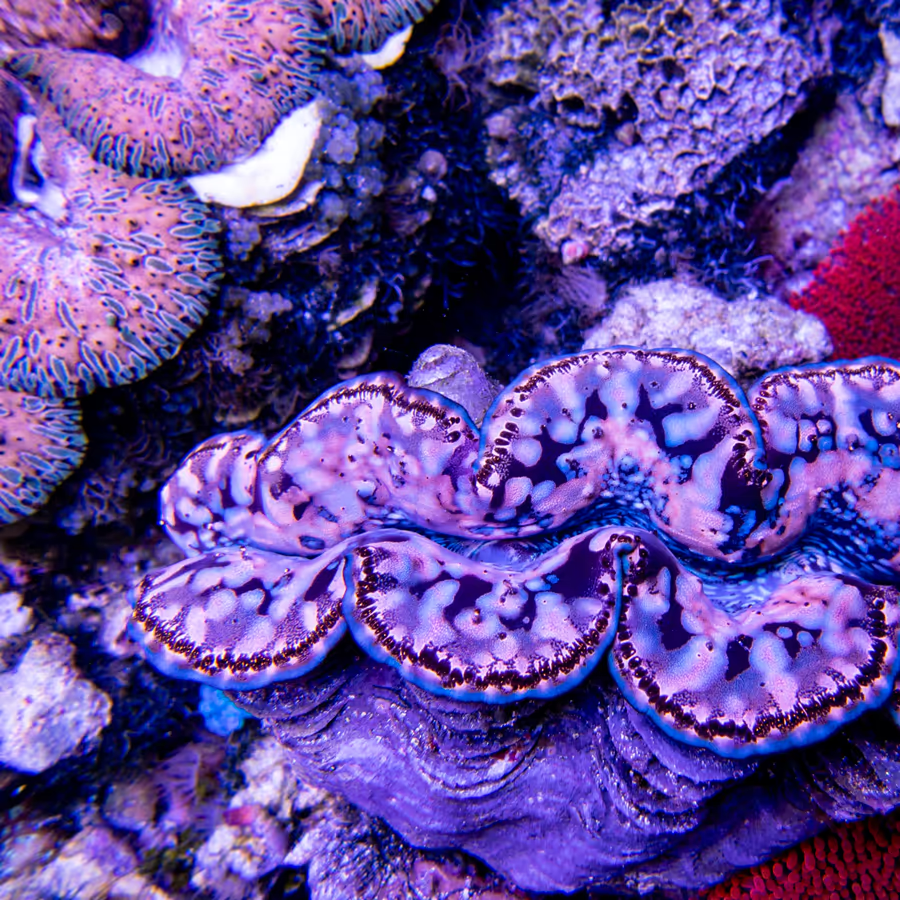
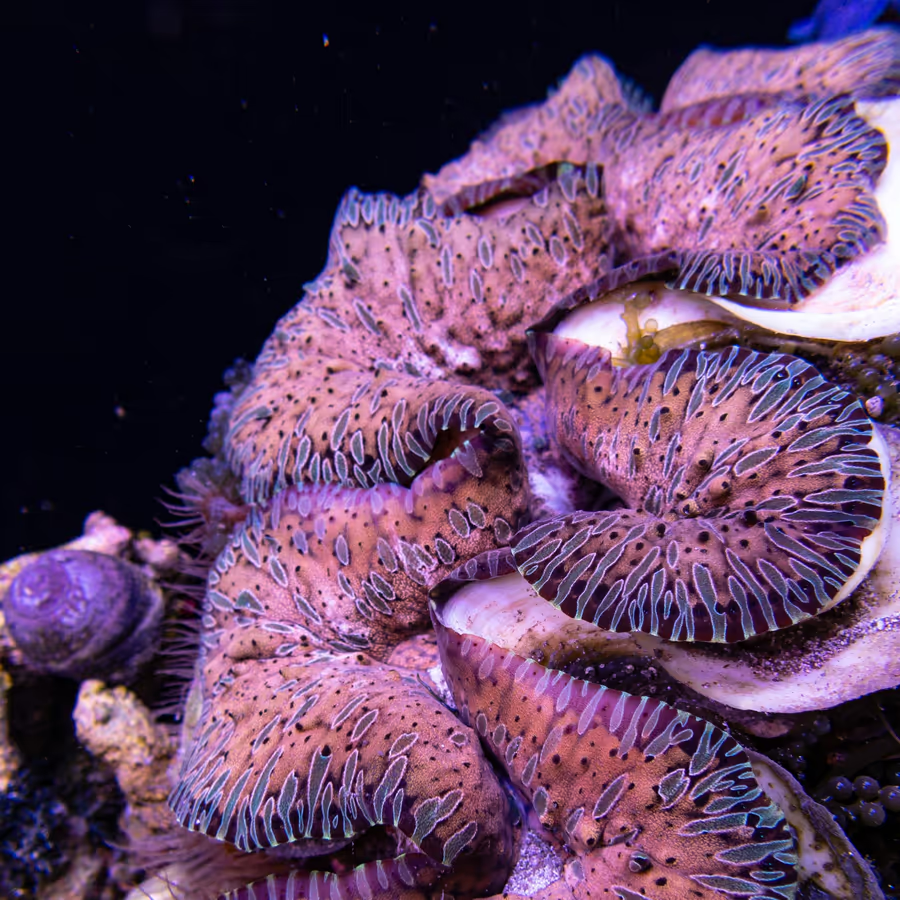
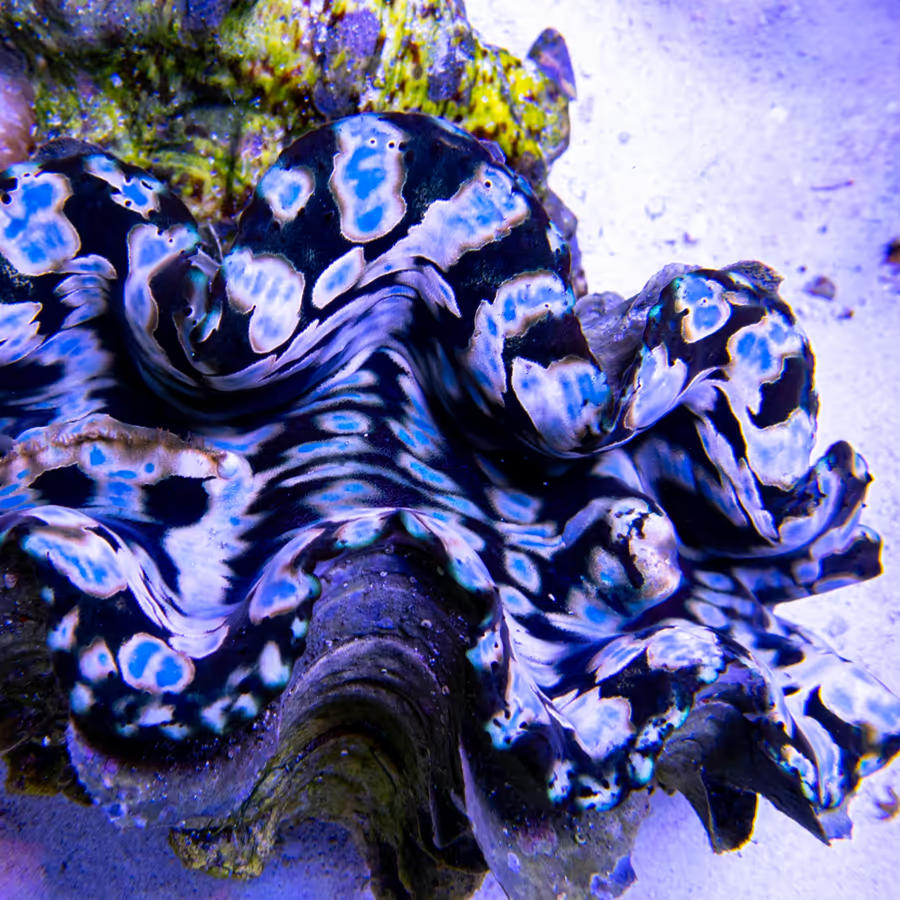
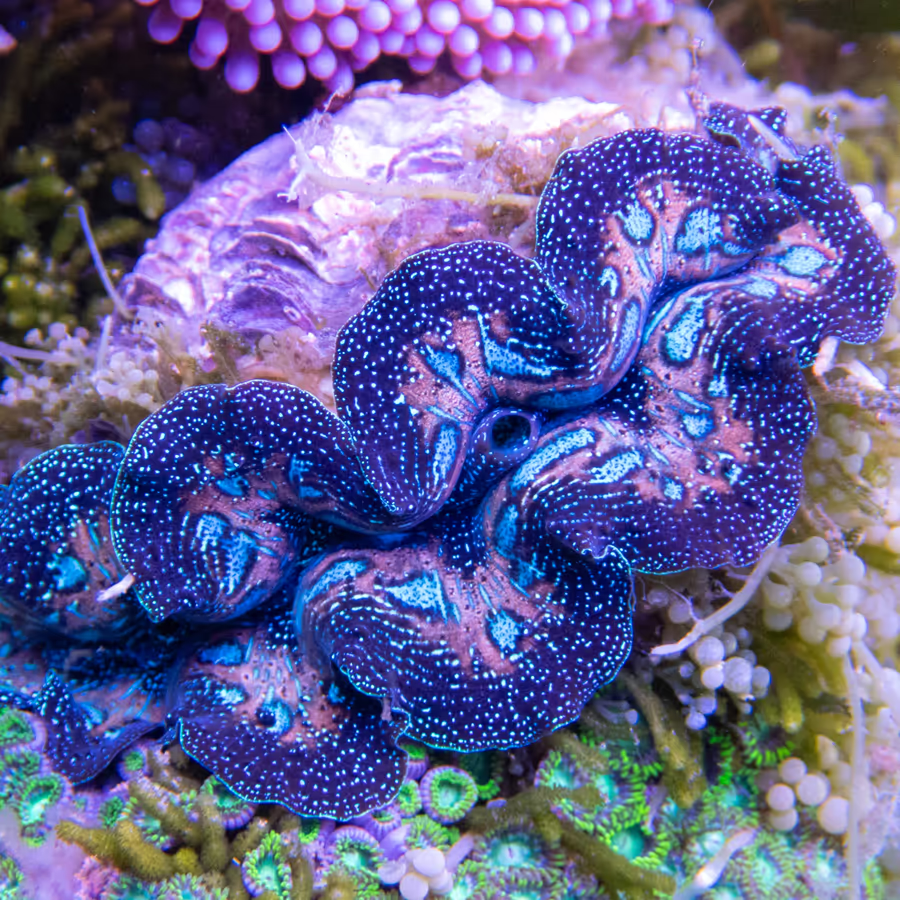
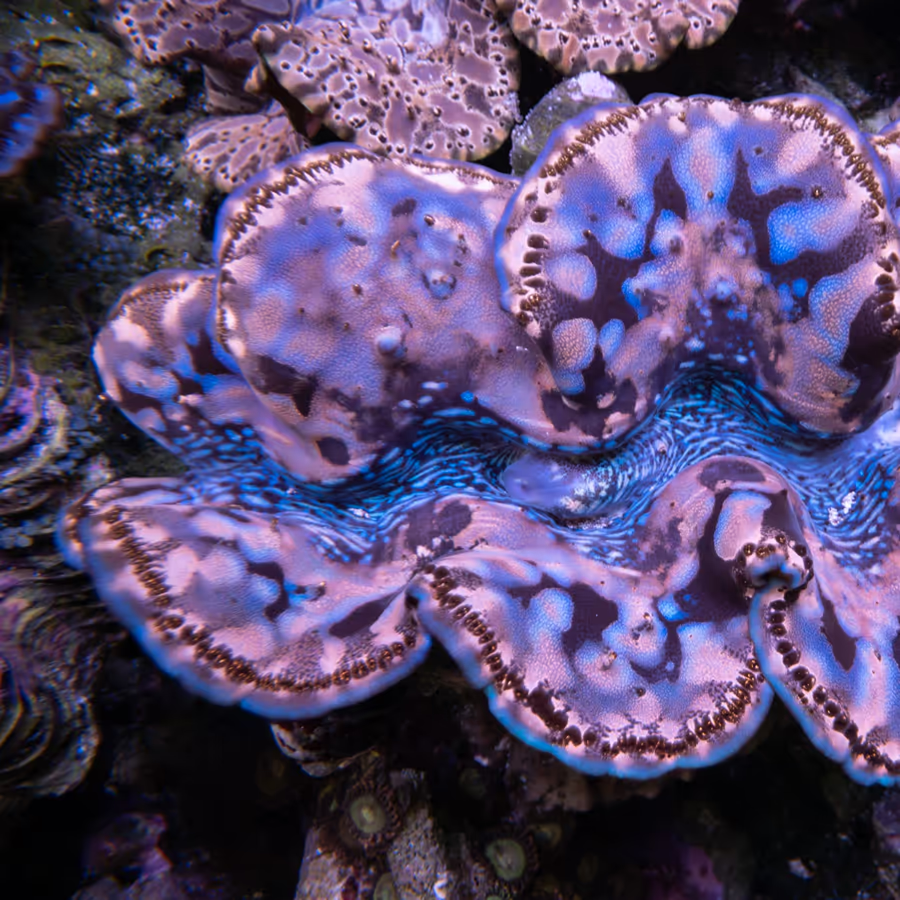
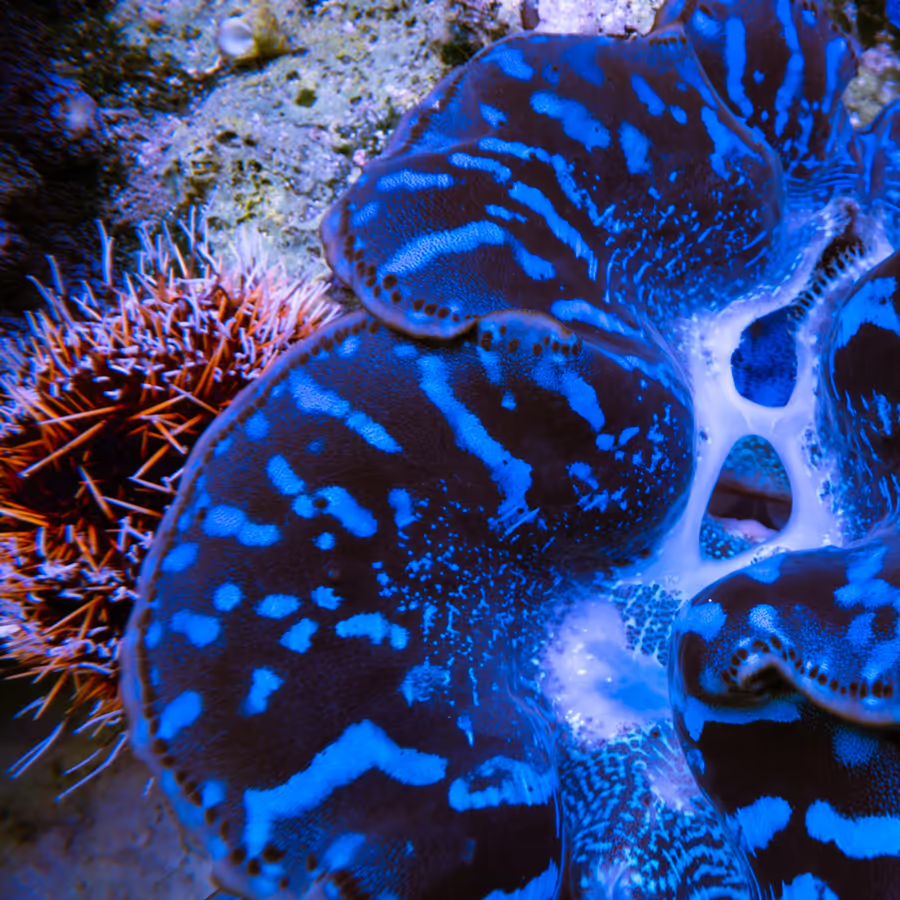
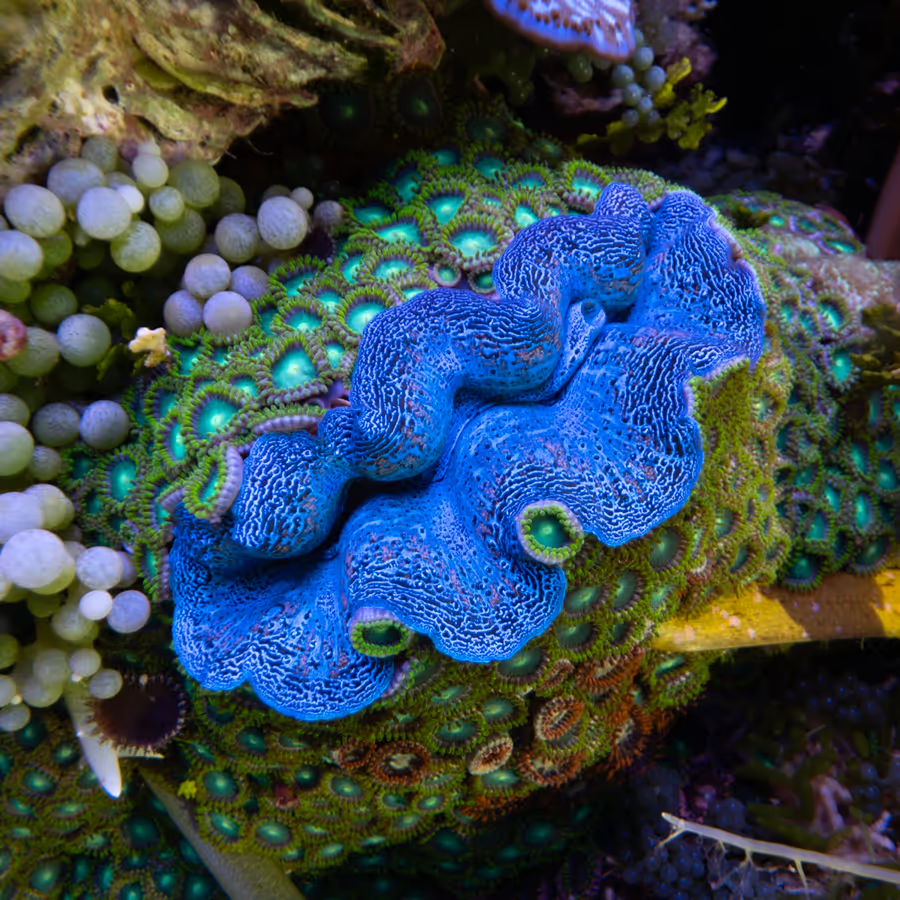
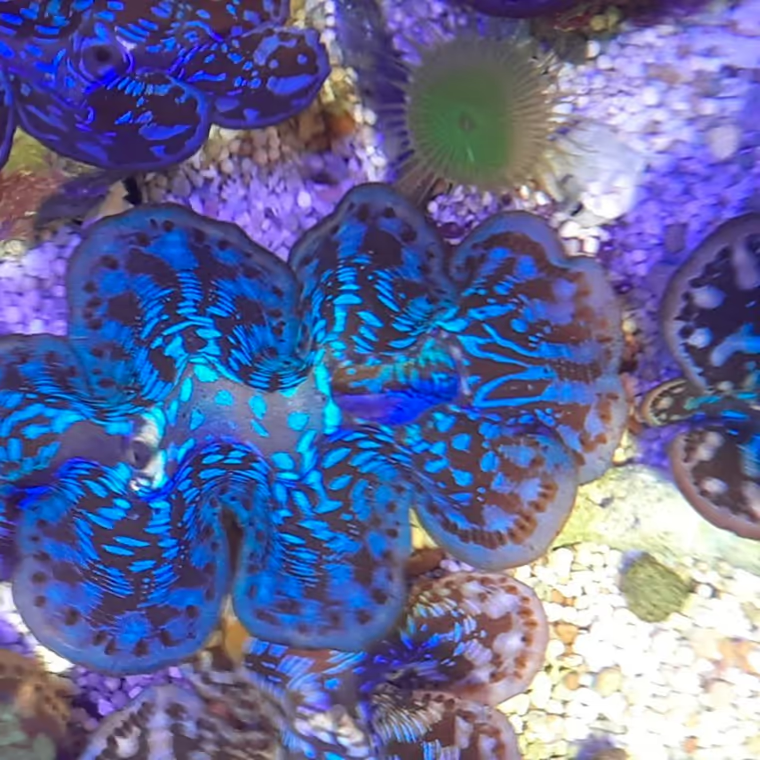
The largest clam on Earth is now Critically Endangered. Ours are spawned by our partners in Micronesia and grown out at our facilities. Adopt one and follow it as it grows. Steward plan $15/mo. Cancel anytime.
Nonprofit 501(c)(3) · Donations may be tax deductible · Secure checkout
 Lab access
 Field partner

Your clam is assigned at random from those in our care, and you give it its name.
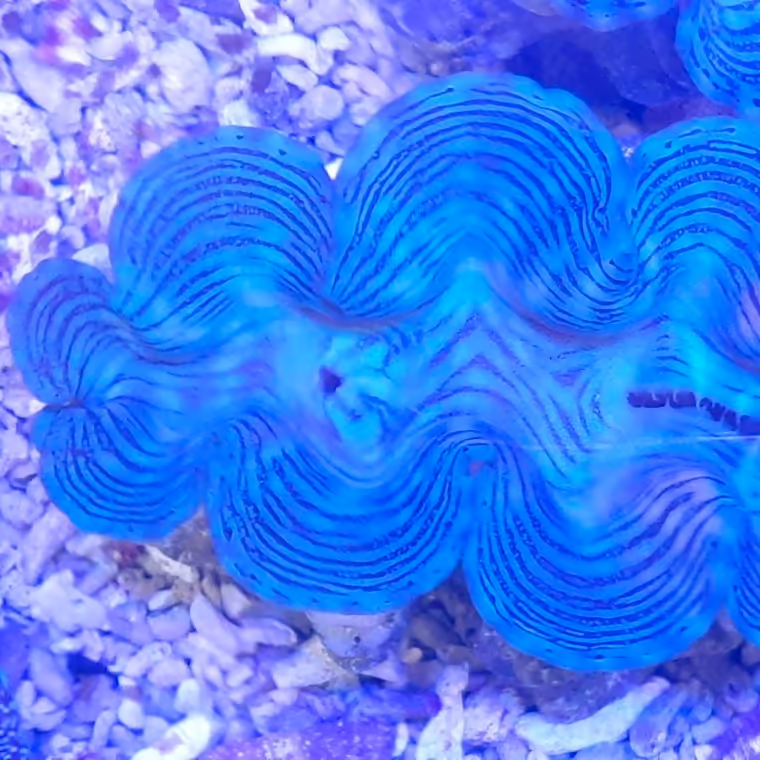
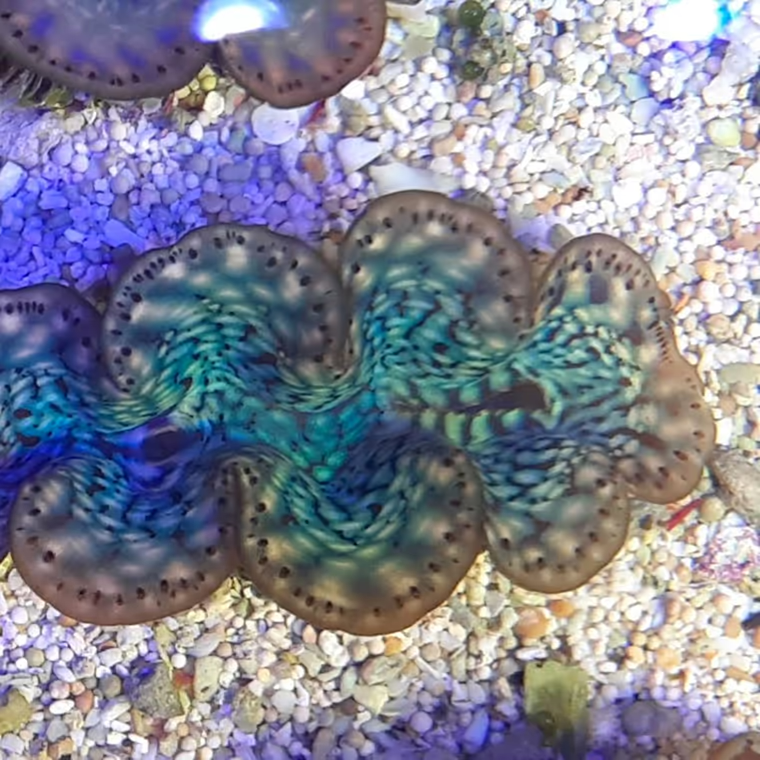
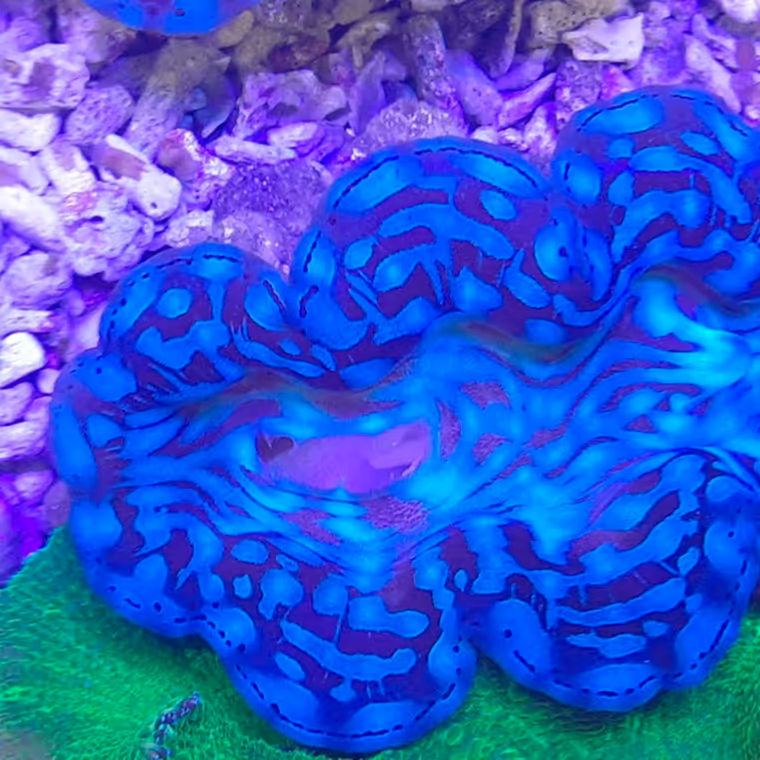
Same donation for every reef resident. Monthly or yearly. Cancel anytime.
Every plan includes a live Q&A each quarter with our President and Vice President.
Lab accessField partnerIn 2024 the IUCN listed the giant clam, Tridacna gigas, as Critically Endangered after its populations fell by more than 80 percent. In the United States, ten giant clam species have been proposed for protection under the Endangered Species Act.
For Pacific Island communities, giant clams have been food and a cultural treasure for generations. When clams disappear from a reef, so does part of a way of life.
Our clams are spawned by our partners at Micronesia Management and Marketing Enterprises (MMME) and grown out at our facilities.
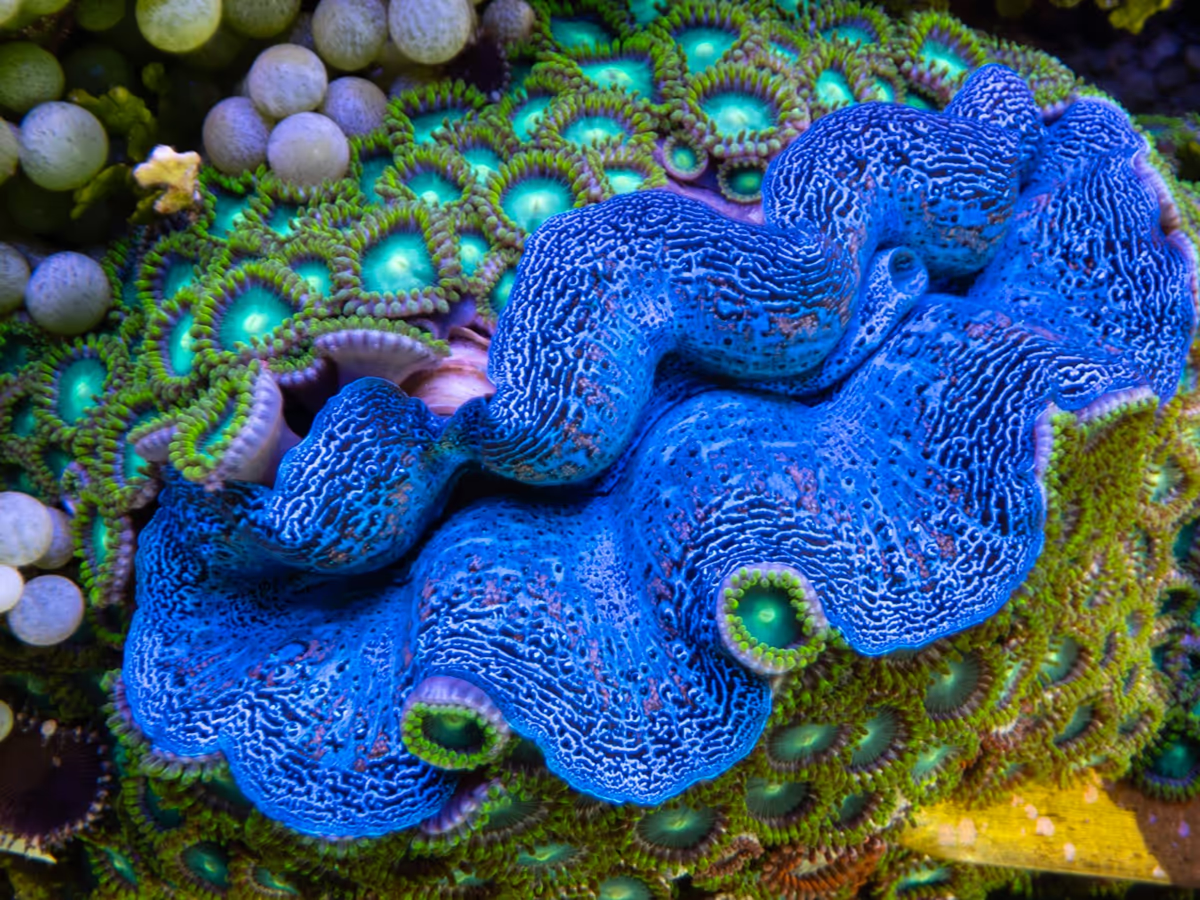
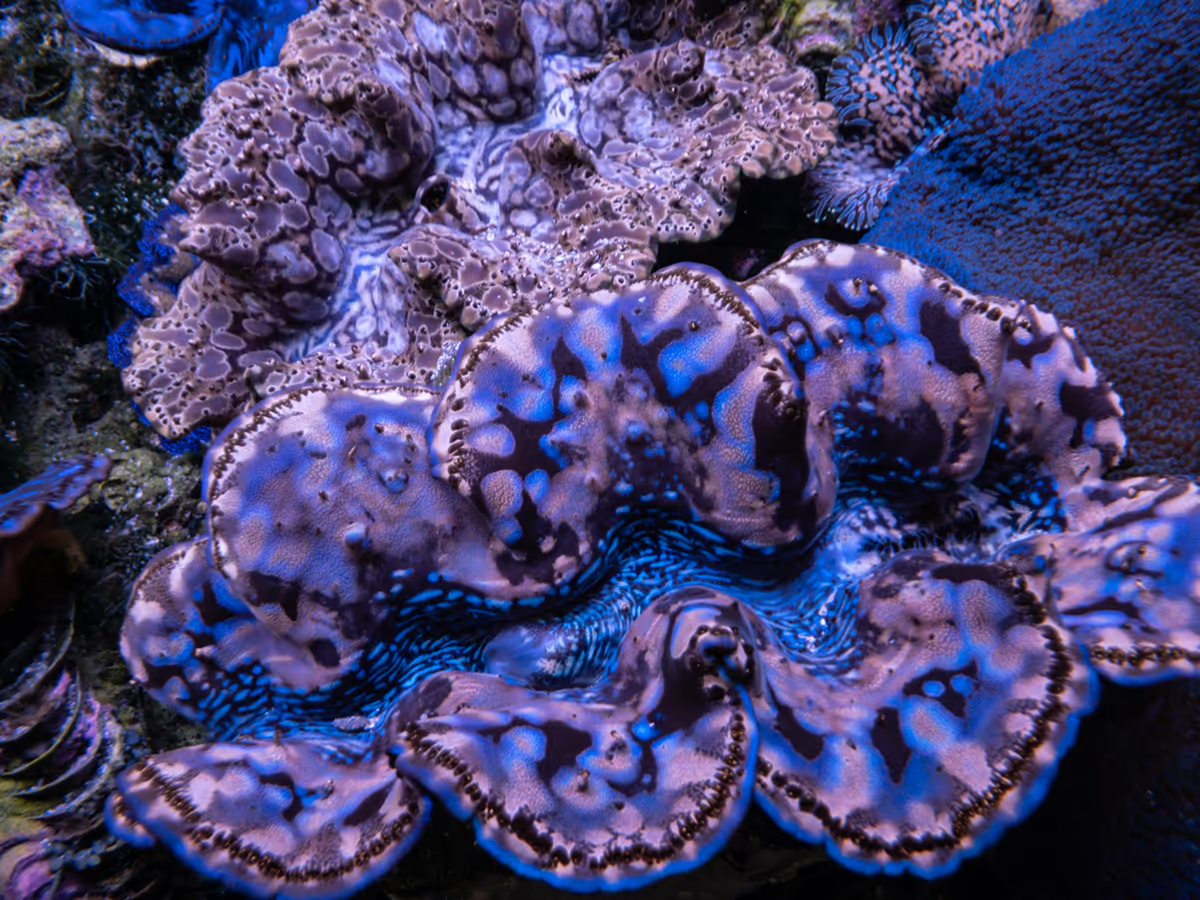
Adoption money is earmarked specifically for the reef residents and their care: your clam's light, its water, its tank, and the daily work of keeping it thriving.
Around it, IMARCS runs the research:
Under heat stress, corals expel the algae that feed them and turn white. Bleached coral is not yet dead. With samples from Micronesia and our lab at the University of Barcelona, we are testing ways to help it recover.
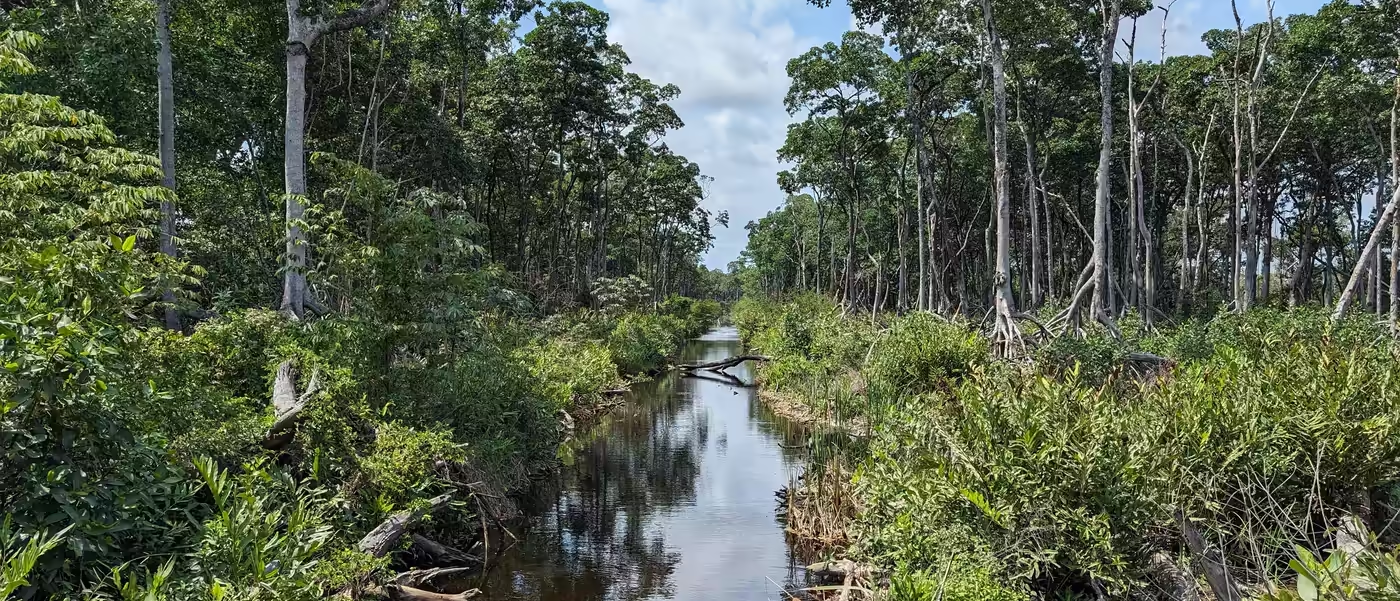
Mangrove roots are nurseries for reef fish. Where reefs are connected to mangroves, the biomass of several important reef fish species can more than double. We are studying mangrove conservation in Belize.
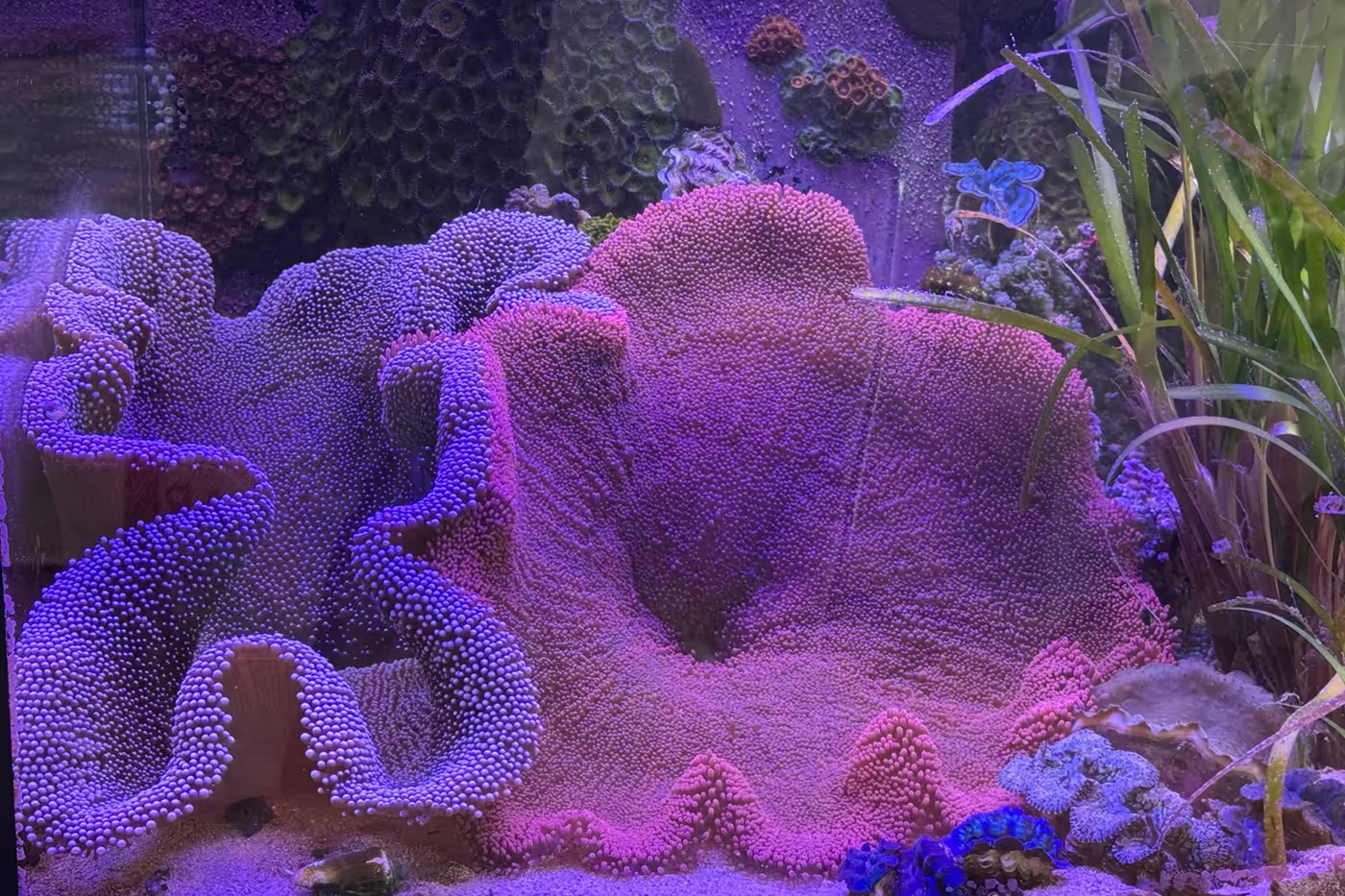
Clownfish, carpet anemones and flowerpot corals are collected from reefs for home aquariums. Our work looks for ways to ease that pressure.

More than half a billion people depend on coral reefs for food, income and protection. We work with communities in Micronesia, and our Head of Indigenous Outreach makes sure the people who live alongside reefs are part of the work.
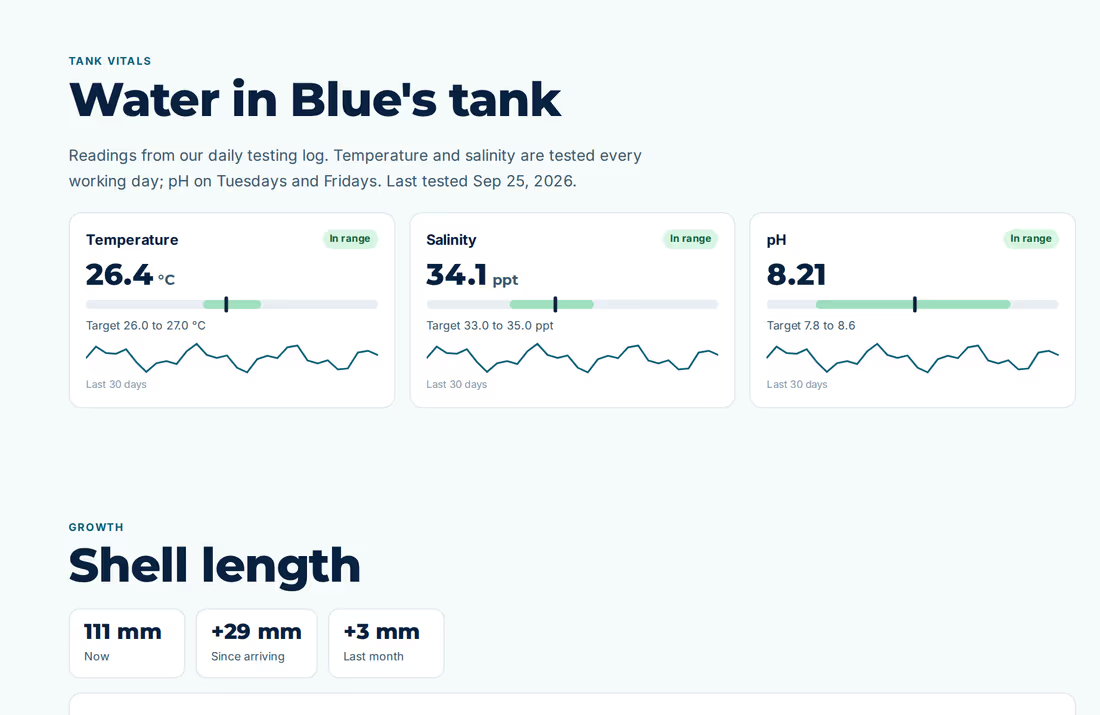
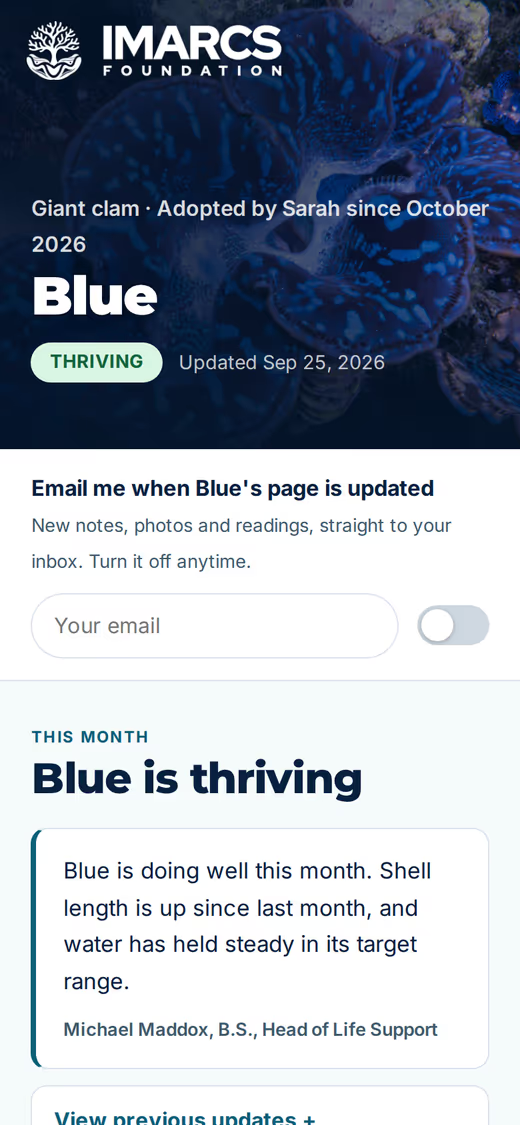
Every adoption includes a private page for your clam, updated as we log each reading, note and photo. Open it whenever you like:
The full history stays on the page. Every reading, note, photo and log is kept, so you can look back through the records anytime.
Straight away: its profile, your certificate and the link to its private page. Every month: an update in your inbox. Every quarter: a live Q&A with our President and Vice President. Every January: your year in review.
Families and classrooms also get a new coloring page and worksheet each month for the age range they choose.
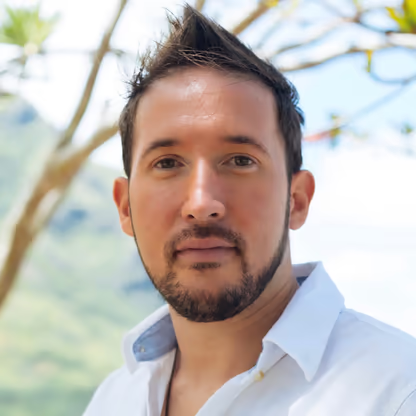
President and Head of Life Support
Runs the life support systems that keep every reef resident in our tanks alive.

Vice President and Lead Researcher
Over a decade working in reefs, mangroves and tropical forests for organizations including UN Green Corps.
Treasurer and Head of Indigenous Outreach
A member of the Karen people who fled persecution in Myanmar, Gui leads our work with indigenous communities.
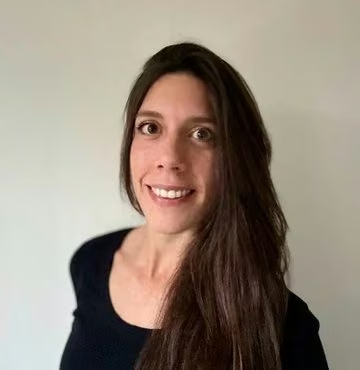
Research Advisor
A marine molecular ecologist and Marie Skłodowska-Curie Fellow at the University of Barcelona.
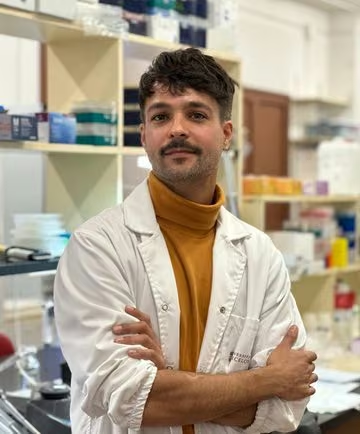
Research Advisor
A mollusc specialist who has helped describe dozens of new species and has been a postdoc at Harvard and taught at the University of Barcelona.
Yes. It is a real giant clam in our care at our facility in Japan. Adoption is symbolic, so it stays with us, and you follow it every month.
Your clam is assigned at random from those in our care, and you give it its name.
On its status page, where every update appears as soon as it is published, including notes from our Head of Life Support. You also get each month's update by email.
Yes. The name you give it is yours, on your certificate and in your updates.
Anytime, in one click. Your adoption runs to the end of the period you paid for.
IMARCS is a US 501(c)(3) nonprofit, EIN 39-2591649. Donations may be tax deductible, and your receipt arrives by email.
Adoption money is earmarked specifically for the reef residents and their care.
Checkout runs on Stripe with bank-level encryption. We never see or store your card details. You can pay with Apple Pay, Google Pay or card.
No. We never sell or share it.
Yes. Add their name and email at checkout. They name the clam, and you get the receipt.
For classrooms, 4-H clubs and scout troops: the monthly pages plus a leader sheet and permission to copy for your group. Christian or standard edition.
Family and Classroom adopters can choose it: the same materials plus a short faith insert.
We tell you right away and move your adoption to another giant clam, with no interruption.
Steward plan $15/mo. Cancel anytime.
Nonprofit 501(c)(3) · Donations may be tax deductible · Secure checkout by Stripe