

Coastal guardians: How mangroves filter microplastics, trap pollutants, and store carbon
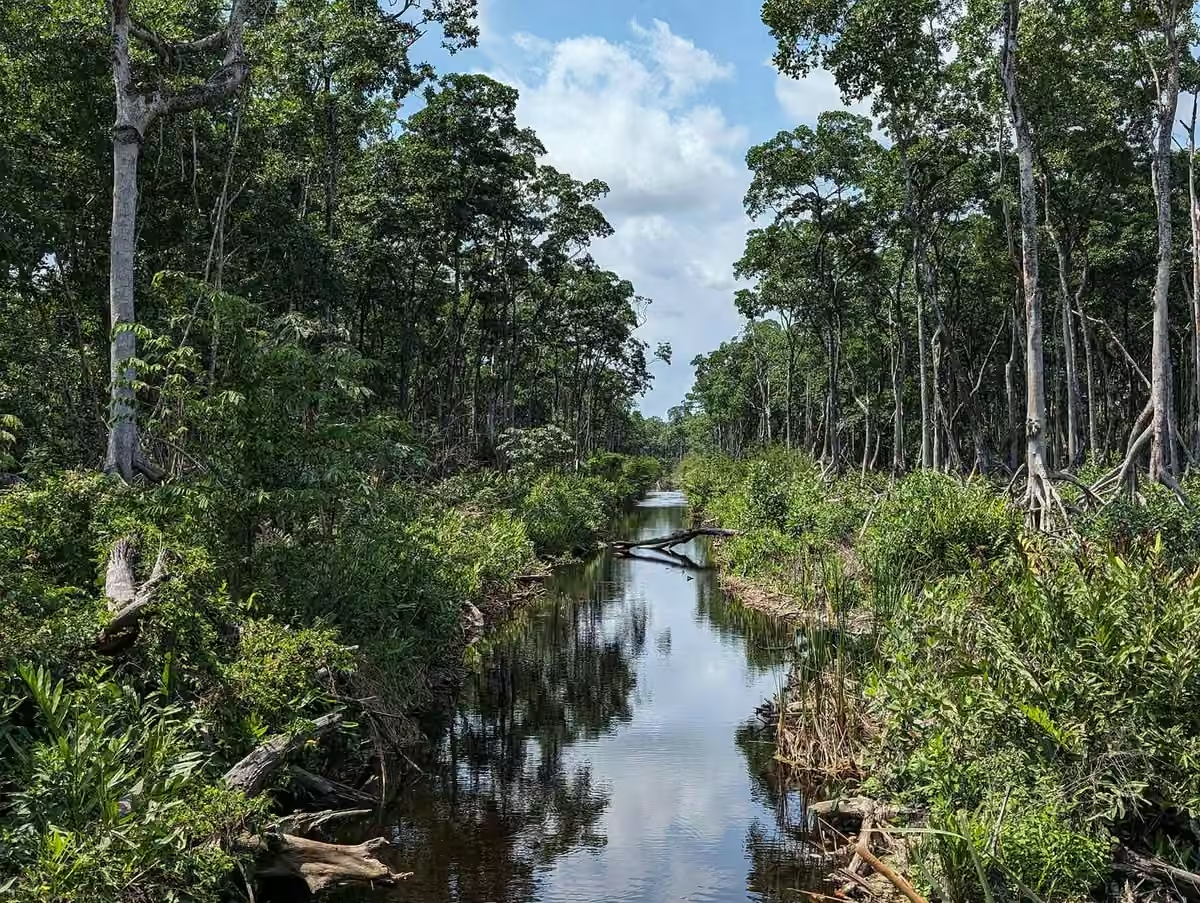
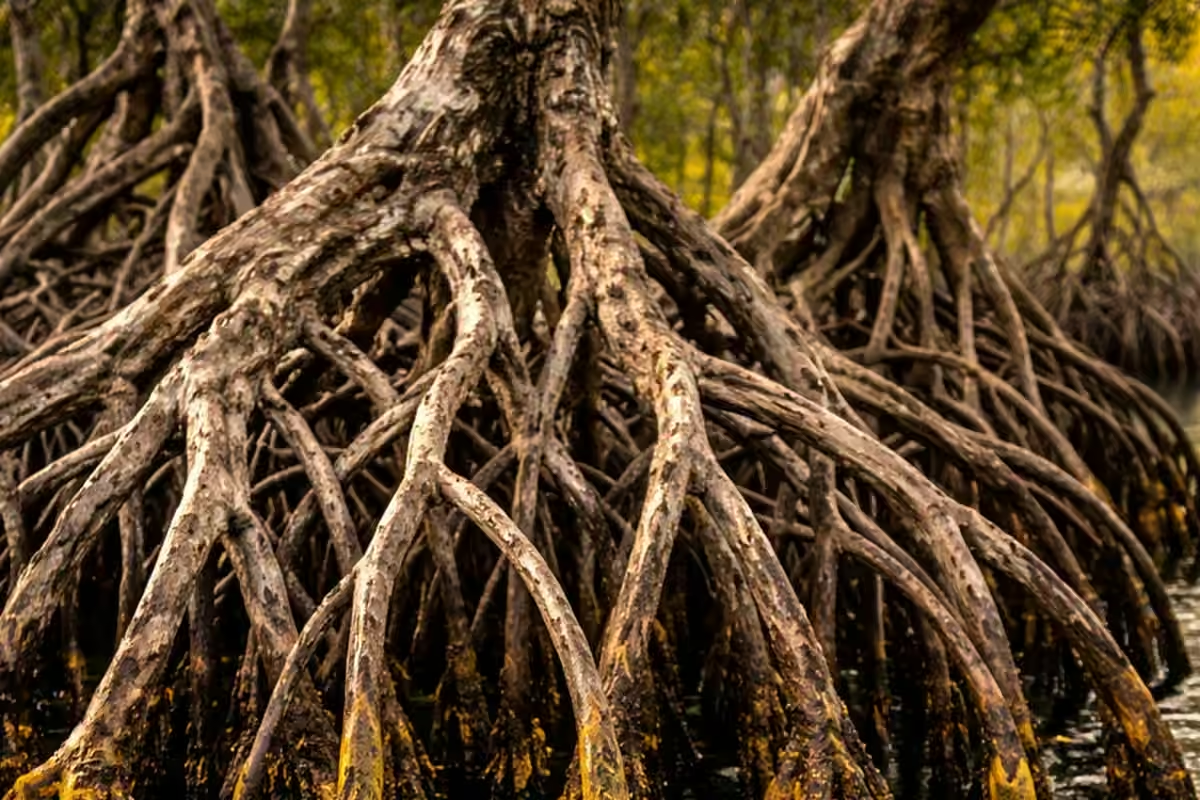
If you have ever stood at the edge of a mangrove forest at low tide, you have experienced the otherworldly sensation of what goes on just below the water's surface. The tangle of prop roots and pneumatophores rising from the mud creates an almost labyrinthine architecture, a dense network that slows the water, catches debris, and anchors sediment in place. It is an ecosystem built for interception. For centuries, coastal communities have understood intuitively that mangroves protect shorelines, support fisheries, and maintain clean water. Now, a growing body of research is confirming what local knowledge has long suggested: mangroves are among the most effective natural filtration systems on the planet, removing not only sediment and excess nutrients but also microplastics, heavy metals, pesticides, and other persistent pollutants from coastal waters.
At the IMARCS Foundation, our work with mangrove ecosystems sits at the intersection of conservation science and climate action. Mangroves are a core component of blue carbon ecosystems, and their carbon storage potential is one of the most compelling arguments for their protection. But the story of mangroves extends well beyond carbon. These coastal forests are performing a suite of water purification services that are becoming increasingly critical as pollution pressures intensify across the tropics.
Mangroves as microplastic traps
Microplastics, defined as plastic particles smaller than 5 mm, have become ubiquitous in coastal and marine environments worldwide. They originate from a complex web of sources: degraded plastic waste, synthetic clothing fibers, industrial runoff, and aquaculture operations, among others. For mangrove ecosystems, which occupy the interface between land and sea, microplastic contamination is a growing concern.
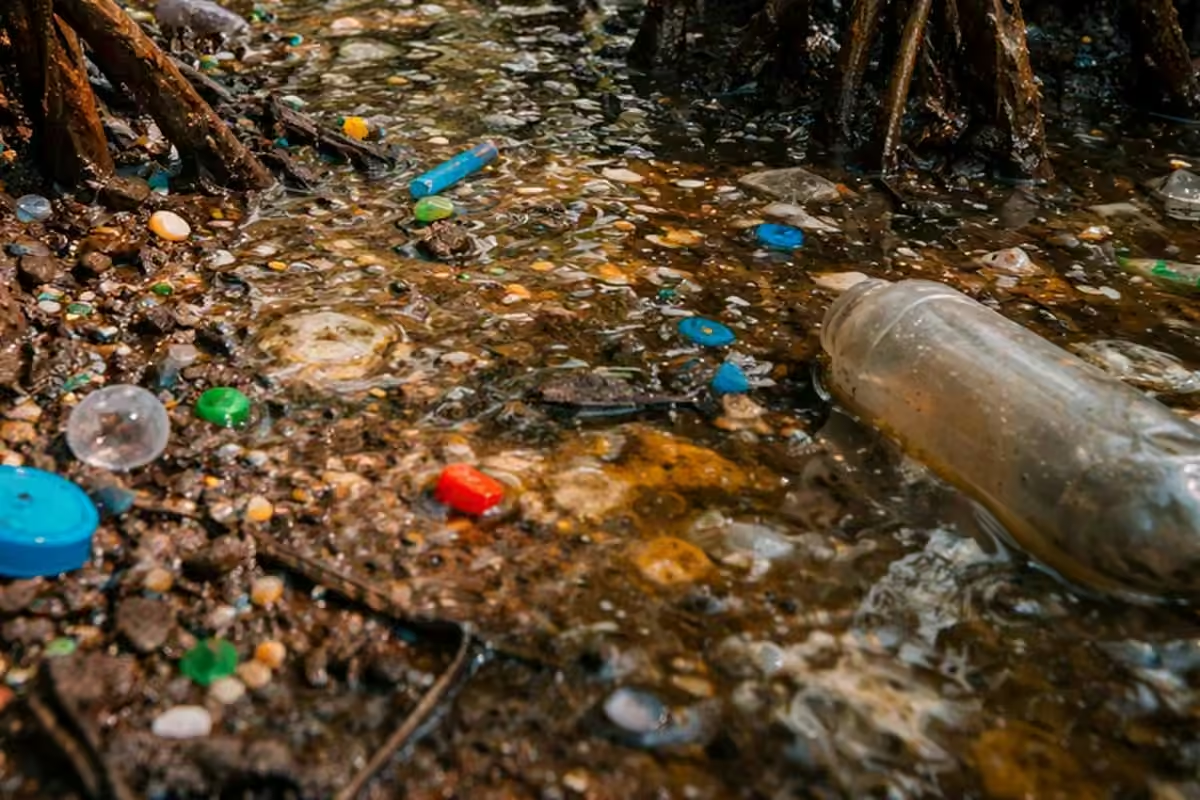
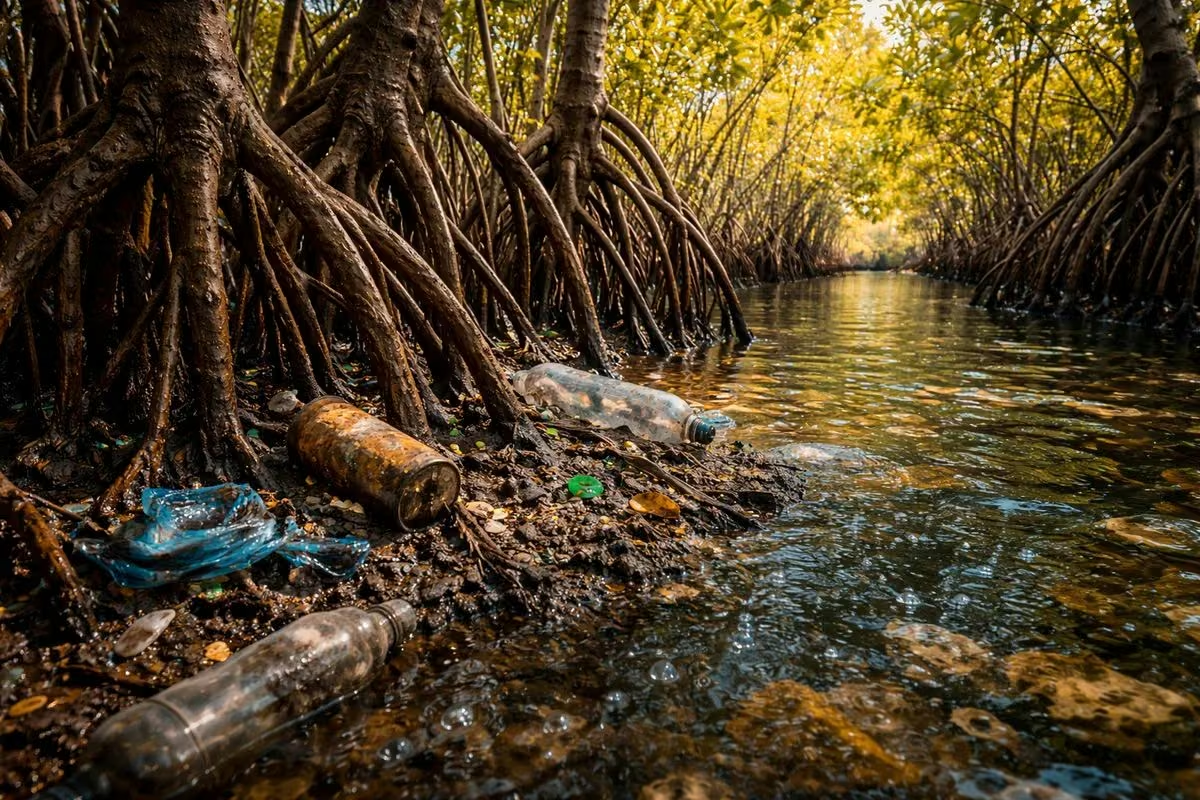
However, the same physical characteristics that make mangroves vulnerable to microplastic accumulation also make them remarkably effective at intercepting these particles before they reach the open ocean. The dense root systems of mangrove trees reduce water velocity, promote sedimentation, and physically trap suspended particles, including microplastics (Martin et al., 2019; Horstman et al., 2014). Research in the Xixi Estuary of China found that microplastic abundance in mangrove sediments was significantly higher than in adjacent non-mangrove areas, with particles detected at every depth layer of the sediment column, demonstrating that mangroves trap and bury microplastics throughout their root zone (Zhang et al., 2024). One study estimated that mangrove forests bordering a river intercepted between 11% and 56% of the microplastics flowing downstream before they could reach the ocean (as reviewed in de Vries et al., 2022).
A landmark 2020 study by Martí and colleagues in Science Advances provided some of the most compelling evidence yet for mangroves as long-term plastic sinks. By extracting and dating microplastics from sediment cores collected from Avicennia marina forests along the Saudi Arabian coast, the researchers demonstrated an exponential increase in plastic burial rates (approximately 8.5% per year) since the 1950s, mirroring the global increase in plastic production. They estimated that 50 and 110 metric tons of plastic had been buried since the 1930s in mangrove sediments of the Red Sea and Arabian Gulf, respectively (Martí et al., 2020). Importantly, the study found that microplastics smaller than 0.5 mm dominated in mangrove sediments, helping to explain why these particles appear to be scarce in surface waters of the region.
A 2025 field study in the Biscayne Bay Coastal Wetlands of Florida further confirmed that mangrove wetlands function as a natural filtration system for microplastics, identifying this as a novel ecosystem service worthy of integration into coastal management strategies (MDPI, 2025). The researchers noted that the physical processes of gravitational settling under low water velocity and interception by vegetation are the primary mechanisms driving microplastic removal from the water column.
What about heavy metals and chemical pollutants?
The filtration services of mangroves extend well beyond microplastics. Mangrove forests have proven to be effective at mitigating heavy metal pollution through a range of biological mechanisms, including absorption, chelation, sequestration, and excretion (Rahman et al., 2024). Heavy metals such as copper, zinc, lead, manganese, and iron are taken up by mangrove roots through both passive diffusion and active transport, with studies consistently showing higher metal concentrations in root tissues compared to leaves (MacFarlane et al., 2003; Kamaruzzaman et al., as cited in Nguyen et al., 2020).
In the Sundarbans, the world's largest mangrove forest (and where my former labmate conducted research for his PhD thesis), research on three native species (Excoecaria agallocha, Avicennia officinalis, and Sonneratia apetala) found that all three could function as phytoextractors, storing metals in their tissues and reducing the risk of pollutant leaching into surrounding water bodies (Chowdhury et al., 2022). This process, known as phytoremediation, represents one of the most cost-effective and ecologically sound approaches to managing contaminated coastal environments.
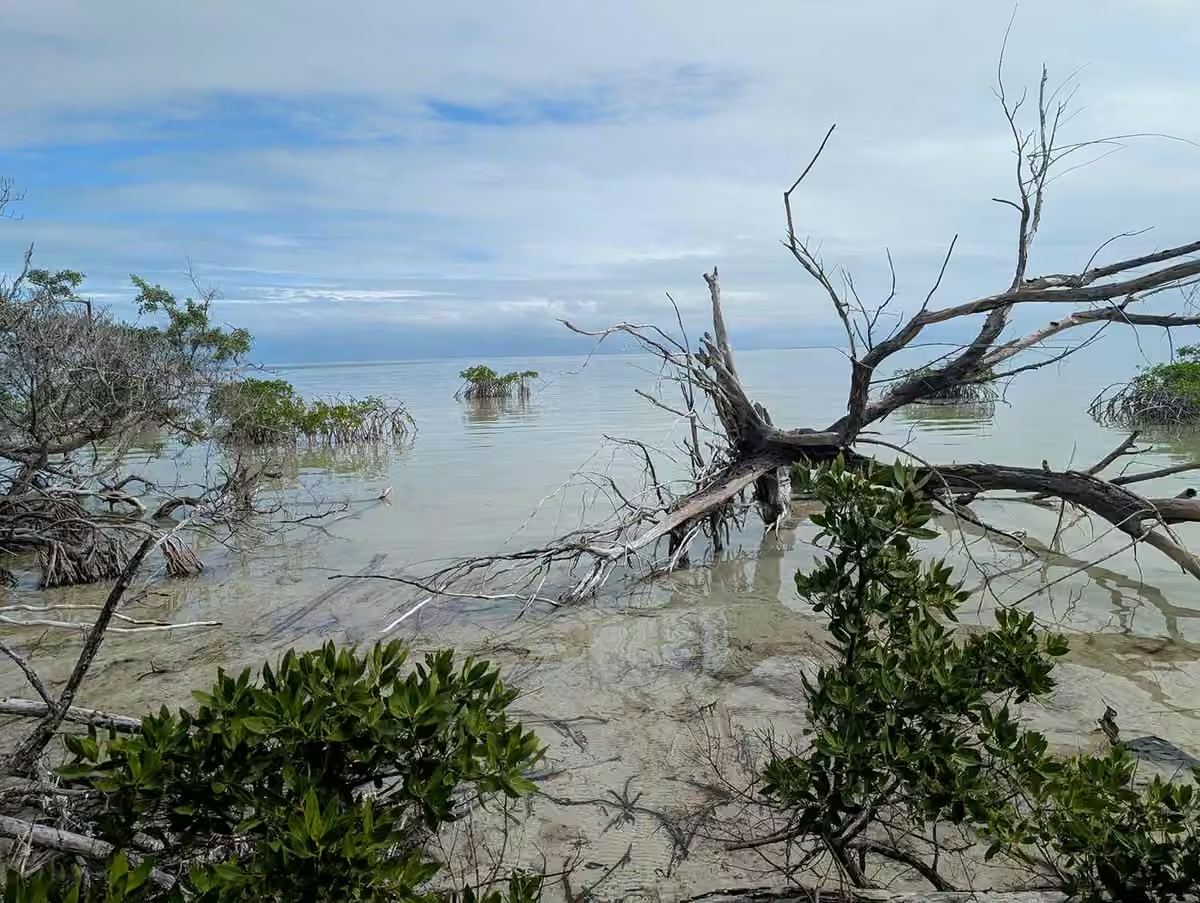
Mangrove sediments also host diverse communities of bacteria and fungi that break down organic pollutants, including pesticides, herbicides, and petroleum hydrocarbons. In sulfate-rich mangrove soils, sulfate-reducing bacteria produce sulfides that react with heavy metals to form insoluble compounds, rendering them less bioavailable and less harmful to the broader ecosystem. The combined effect of root uptake, microbial activity, and sediment chemistry creates a multi-layered defense system that intercepts a wide spectrum of contaminants before they reach coastal waters and the organisms that depend on them.
The nutrient filtration capacity of mangroves is equally important. Excess nitrogen and phosphorus from agricultural runoff can cause eutrophication and harmful algal blooms in coastal waters. Mangroves absorb these nutrients through their root systems, using them for growth and preventing downstream ecosystem disruption. This buffering function positions mangroves as critical infrastructure for maintaining water quality in regions experiencing coastal development and intensifying land use.
And then there is the carbon
While this post has focused primarily on the pollutant removal capabilities of mangroves, no discussion of mangrove ecosystem services would be complete without acknowledging their extraordinary capacity for carbon storage. Mangroves are among the most carbon-rich ecosystems on the planet. They contain an average of approximately 937 tonnes of carbon per hectare, and their carbon burial rate of roughly 174 gC m⁻² year⁻¹ exceeds that of virtually every other habitat except salt marshes (Alongi, 2012). Despite occupying only about 0.36% of global forest area, mangroves store up to five times more organic carbon per unit area than tropical upland forests (Donato et al., 2011) and account for approximately 14% of carbon sequestration by the global ocean (Alongi, 2012).
Current studies suggest that mangroves and coastal wetlands sequester carbon at a rate roughly ten times greater than mature tropical forests on an annual basis (NOAA, n.d.). Most of this carbon is stored belowground, locked away in deep, waterlogged soils where oxygen-poor conditions dramatically slow decomposition. Mangrove soils can extend to depths of three meters or more, and the carbon they contain can persist for centuries or even millennia. This makes the loss of mangrove habitat particularly damaging from a climate perspective: when mangrove soils are disturbed, they can release massive quantities of stored carbon back into the atmosphere. Estimates suggest that emissions from mangrove degradation may account for up to 10% of global deforestation emissions, despite mangroves covering less than 1% of tropical forest area (The Blue Carbon Initiative, n.d.).
This dual function of carbon storage and pollutant filtration is what makes mangrove conservation such a high-value proposition. When we protect or restore a mangrove forest, we are not simply preserving a single ecosystem service. We are maintaining an integrated system that simultaneously sequesters atmospheric carbon, traps microplastics, filters heavy metals and chemical pollutants, protects coastlines from erosion and storm surge, and supports the biodiversity and fisheries that coastal communities depend upon.
Why this matters for the IMARCS mission
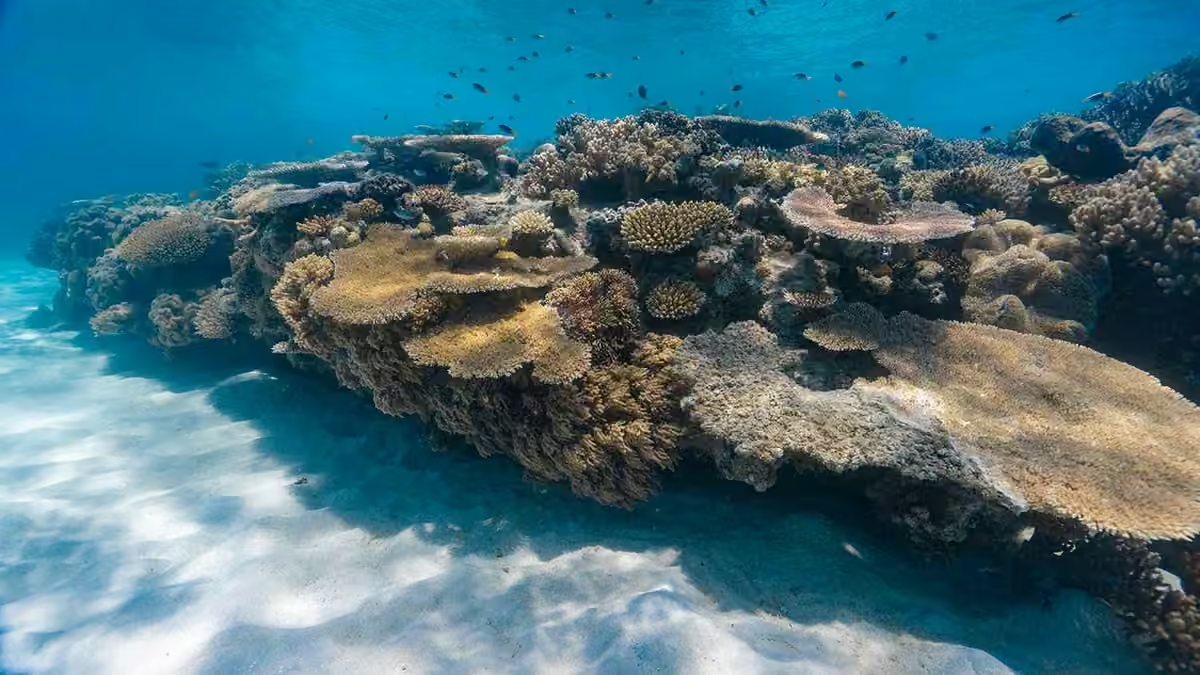
At the IMARCS Foundation, our mission centres on the interconnected relationship between coral reefs, giant clams, and mangroves. Mangroves are not isolated from the reef systems they border. The water quality improvements provided by mangrove filtration directly benefit adjacent coral reefs by reducing sediment loads, nutrient concentrations, and pollutant exposure. Healthier water means healthier corals, and healthier corals mean more resilient reef ecosystems capable of supporting the giant clam populations and biodiversity that are central to our research.
The emerging research on mangrove microplastic filtration adds a new dimension to the case for coastal ecosystem conservation. In a world producing over 400 million tonnes of plastic annually and struggling to prevent it from reaching the ocean, nature-based solutions that work at landscape scales are not merely desirable. They are necessary. Mangroves have been performing this filtration service for millennia. Our job now is to ensure they can continue doing so.
If you would like to learn more about the work IMARCS is doing to protect and restore marine ecosystems, please visit our current research page or consider making a contribution to support our ongoing programs.
References
Alongi, D. M. (2012). Carbon sequestration in mangrove forests. Carbon Management, 3(3), 313–322. https://doi.org/10.4155/cmt.12.20
Chowdhury, R., Favas, P. J. C., Jonathan, M. P., Ahmed, K., & Sarkar, S. K. (2022). Heavy metal accumulation and phytoremediation potentiality of some selected mangrove species from the world's largest mangrove forest. Biology, 11(8), 1144. https://doi.org/10.3390/biology11081144
de Vries, A. N., Govoni, D., Deckère, S., & Vermeiren, P. (2022). Plastic pollution of four understudied marine ecosystems: a review of mangroves, seagrass meadows, the Arctic Ocean and the deep seafloor. Peer Community Journal, 2, e65. https://doi.org/10.24072/pcjournal.199
Donato, D. C., Kauffman, J. B., Murdiyarso, D., Kurnianto, S., Stidham, M., & Kanninen, M. (2011). Mangroves among the most carbon-rich forests in the tropics. Nature Geoscience, 4(5), 293–297. https://doi.org/10.1038/ngeo1123
Horstman, E. M., Dohmen-Janssen, C. M., Narra, P. M. F., van den Berg, N. J. F., & Hulscher, S. J. M. H. (2014). Wave attenuation in mangroves: A quantitative approach to field observations. Coastal Engineering, 94, 47–62. https://doi.org/10.1016/j.coastaleng.2014.08.005
Martin, C., Almahasheer, H., & Duarte, C. M. (2019). Mangrove forests as traps for marine litter. Environmental Pollution, 247, 499–508. https://doi.org/10.1016/j.envpol.2019.01.067
Martí, E., Martin, C., Galli, M., Echevarría, F., Duarte, C. M., & Cózar, A. (2020). Exponential increase of plastic burial in mangrove sediments as a major plastic sink. Science Advances, 6(44), eaaz5593. https://doi.org/10.1126/sciadv.aaz5593
MDPI. (2025). Microplastic filtration by a coastal mangrove wetland as a novel ecosystem service. Pollutants, 4(2), 15. https://doi.org/10.3390/pollutants4020015
National Oceanic and Atmospheric Administration (NOAA). (n.d.). Coastal blue carbon. https://oceanservice.noaa.gov/ecosystems/coastal-blue-carbon/
Rahman, M. M., et al. (2024). Adaptation and remediation strategies of mangroves against heavy metal contamination in global coastal ecosystems: A review. Journal of Cleaner Production, 434, 140177. https://doi.org/10.1016/j.jclepro.2024.140177
The Blue Carbon Initiative. (n.d.). What is blue carbon? https://www.thebluecarboninitiative.org/about-blue-carbon
Zhang, P., Zhao, W., Zhang, J., Gao, Y., Wang, S., & Jian, Q. (2024). Human activities altered the enrichment patterns of microplastics in mangrove blue carbon ecosystem in the semi-enclosed Zhanjiang Bay, China. Frontiers in Marine Science, 11, 1362170. https://doi.org/10.3389/fmars.2024.1362170