
Current Research
The IMARCS Foundation is expanding research into practices that harness the power of nature for positive environmental outcomes.
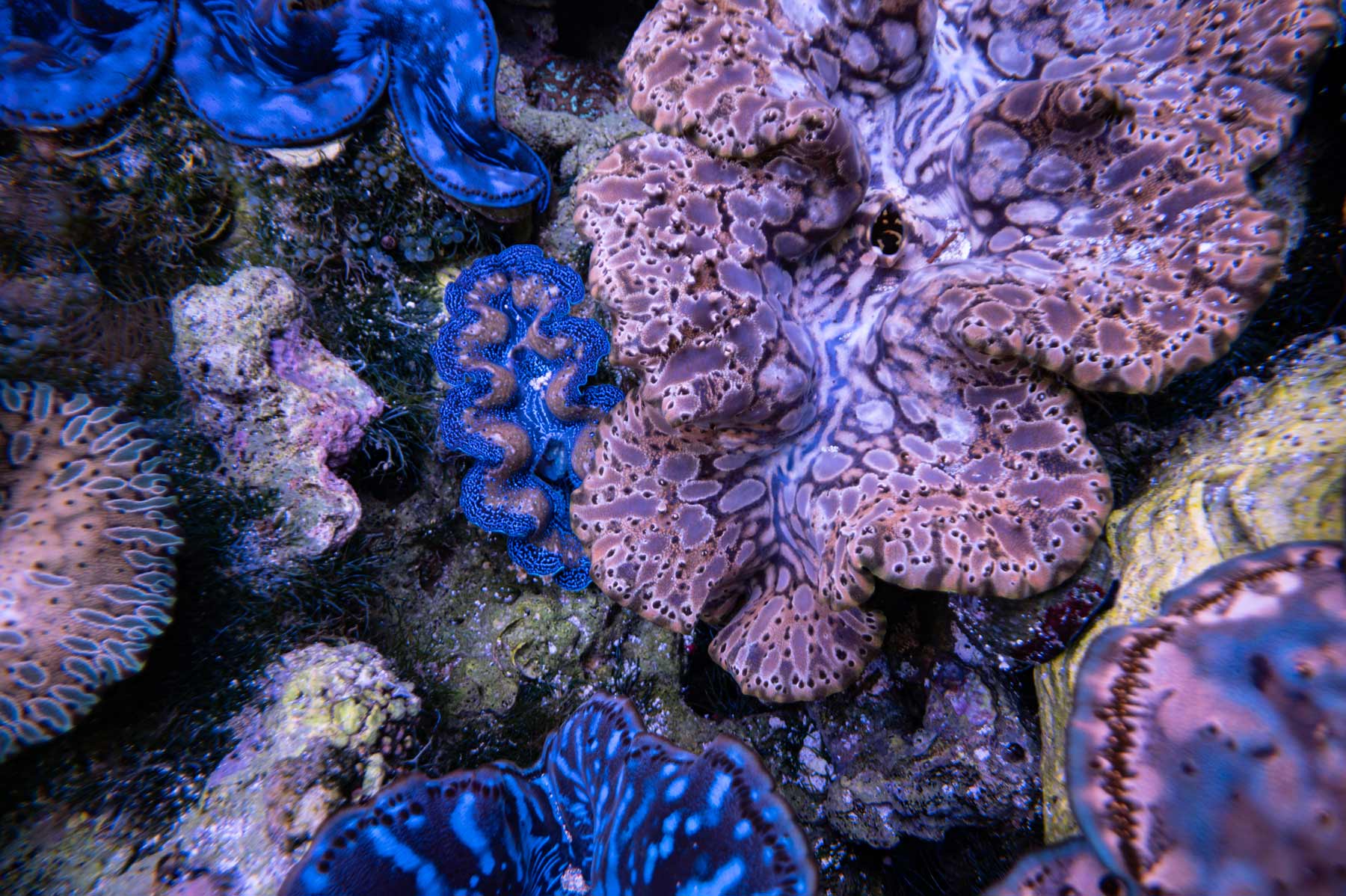
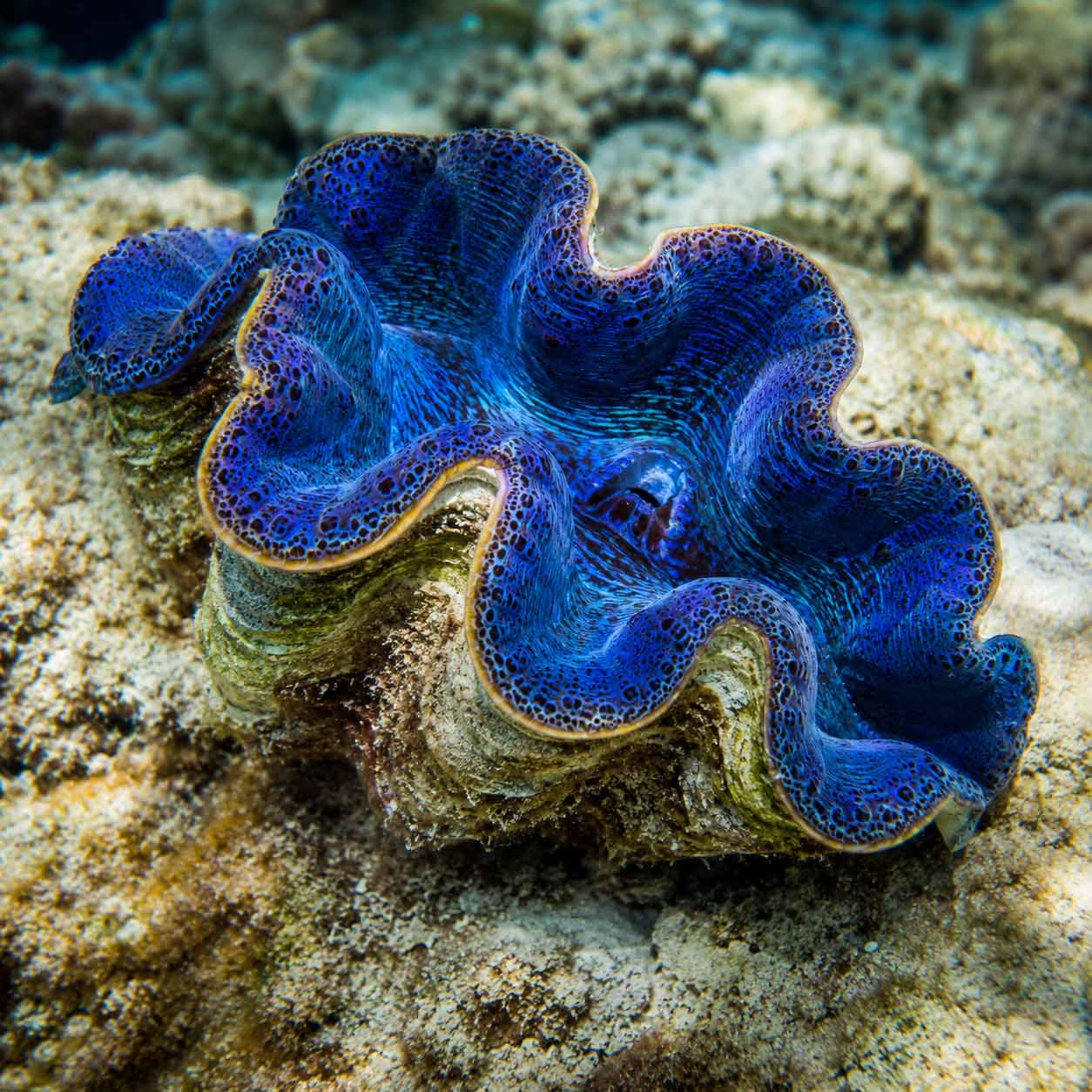
- Leveraging the unique biology of giant clams (Tridacnidae) to develop a nature-based solution for microplastics removal
- Examining the viability of giant clam symbionts in reversing coral bleaching and improving reef resilience
- Assessing the potential for giant clams to act as carbon sinks through altered water chemistry
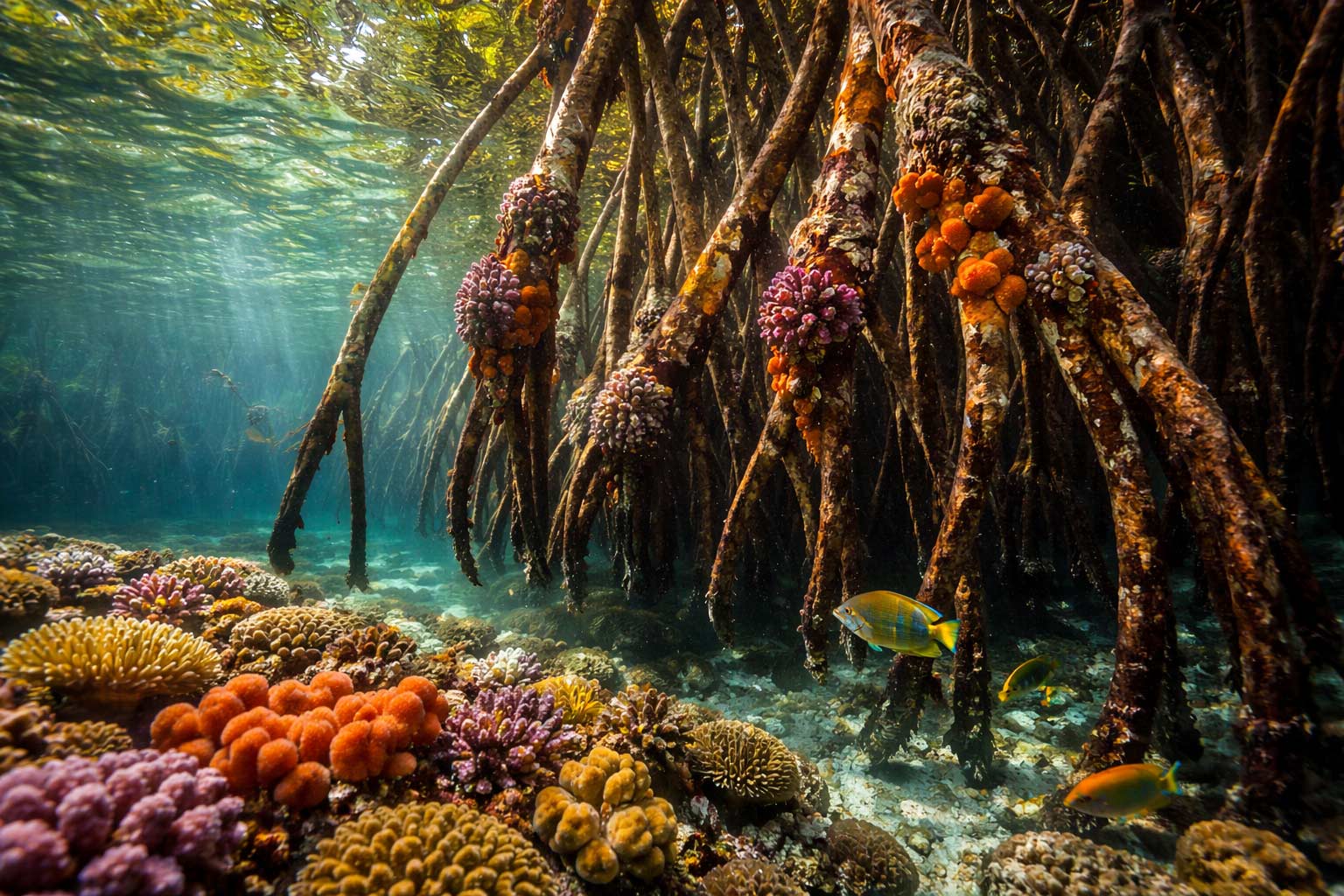
- Supporting mangrove conservation for carbon sequestration and biodiversity preservation or enhancement
Our ongoing projects
1. Coral Bleaching Restoration in Micronesia
2. Mangrove Conservation in Belize
Microplastics and Pollutant Removal (testing via Mariculture Tanks in Japan)
Giant clams are natural filter feeders that can filter more than 1,000 liters of water per day - per clam! This filtration traps pollutants, and we are particularly interested in assessing the rate and scalability of using giant clams as a nature-based solution for microplastics removal.
Furthermore, though giant clams store carbon in their shells through calcification, this process generates a gas molecule for every molecule of shell created (Ca2+ + 2HCO3- -> CaCO3 + CO2 + H2O), making wild clams net carbon sources. However, we are pioneering ambitious research using specialized tanks to see if, at a high pH (>8.5), intense symbiotic algae photosynthesis and abundant hydroxyl ions will immediately trap the released gas (CO2 + OH- -> HCO3-). This would shift these specialized giant clams into highly efficient, carbon-negative sinks.
Bridging Science and Practice
Where donations go & how they help
We are a lean research organization, which means donor support translates directly into equipment in our tanks, samples in our lab, and time in the field. Every dollar given funds something you can point to, and recurring contributions of (even as little as $25 to $100 a month) helps keep our science running month after month.
In our research aquariums,
your support funds clam grow-out systems, dedicated research tanks, routine water testing, and the lighting and life-support equipment that keep living collections healthy.

In the field,
it funds reef transects, eDNA sampling, and field surveys that show us how wild populations and habitats are changing over time

In the lab,
it funds the analysis that turns those samples into usable data, and in the communities we serve, it funds school tour tanks and public education displays that bring reef science to children and families, along with the mangrove and reef partner work that extends our impact well beyond our own facilities.
A small monthly gift may not feel like much on its own, but together these contributions add up to real, sustained capacity for discovery and restoration. Whether you give $25 or $100 (or more) on a monthly basis, or a one-time gift, you are directly supporting the science behind healthier reefs, recovering mangroves, and the next generation of ocean stewards.